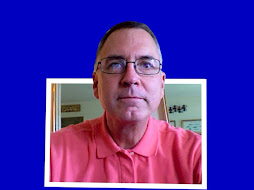
James Henley Thornwell:
Our whole system of operations gives an undue influence to money. Where money is the great want, numbers must be sought; and where an ambition for numbers prevails, doctrinal purity must be sacrificed. The root of the evil is the secular spirit of our ecclesiastical institutions. What we want is a spiritual body; a Church whose power lies in the truth, and the presence of the Holy Ghost. (B. M. Palmer, Life and Letters of J. H. Thornwell, p. 291).
Sunday, January 6, 2008
Saturday, January 5, 2008
Bruce Ware is our retreat speaker
On February 21-23 some former members of the Shepherd's Church in Charlotte and Pierpont Baptist in Charleston will host a retreat. The retreat will be at the Springmaid Resort in Myrtle Beach, SC. It is a privilege and joy to announce that our speaker will be Dr. Bruce Ware who is the President elect of the Evangelical Theological Society. Some of you might not be familiar with Dr. Ware and his writings so I have posted a short biography along with an audio interview. Hopefully this will give you some insight on his life, work and ministry. Dr. Ware is a very sought after speaker and is well known in evangelical circles. I first heard him at the Pastors Conference in Minneapolis, MN in 2005. At that particular conference he taught on the Trinity and the different role/relationships of the Father, Son and Holy Spirit. His talk so moved me that I came back and soon thereafter developed a preaching series on the Trinity.

Bruce Ware received a B.A. in English from Whitworth College in Spokane, Washington. He later earned his M.Div. and his Th.M. from Western Conservative Baptist Seminary in Portland, Oregon, before he moved to Pasadena, California, where he completed his formal education with a Ph.D. in Philosophical Theology from Fuller Theological Seminary.
Ware currently serves as the Professor of Christian Theology at The Southern Baptist Seminary in Louisville, Kentucky. Prior to his current occupation, Ware has held teaching positions at Bethel Theological Seminary in St. Paul, Minnesota; Western Seminary in Portland, Oregon; and Trinity Evangelical Divinity School in Deerfield, Illinois.
Books Published:
Perspectives on the Doctrine of God: 4 Views (Editor)
Broadman & Holman - 2007
Serving God with Determined Faith: Studies in the Book of Nehemiah
Lifeway Press - 2005
Father, Son, and Holy Spirit: Relationships, Roles, and Relevance
Crossway Books - 2005
God's Greater Glory: The Exalted God of Scripture and the Christian Faith
Crossway Books - 2004
Their God is Too Small: Open Theism and the Undermining of Confidence in God
Crossway Books - 2003
God's Lesser Glory: The Diminished God of Open Theism
Crossway Books - 2000
Still Sovereign: Contemporary Perspectives on Election, Foreknowledge, and Grace (Editor)
Baker Books - 2000
The Grace of God, The Bondage of the Will (Editor)
Baker Books - 1995

Bruce Ware received a B.A. in English from Whitworth College in Spokane, Washington. He later earned his M.Div. and his Th.M. from Western Conservative Baptist Seminary in Portland, Oregon, before he moved to Pasadena, California, where he completed his formal education with a Ph.D. in Philosophical Theology from Fuller Theological Seminary.
Ware currently serves as the Professor of Christian Theology at The Southern Baptist Seminary in Louisville, Kentucky. Prior to his current occupation, Ware has held teaching positions at Bethel Theological Seminary in St. Paul, Minnesota; Western Seminary in Portland, Oregon; and Trinity Evangelical Divinity School in Deerfield, Illinois.
Books Published:
Perspectives on the Doctrine of God: 4 Views (Editor)
Broadman & Holman - 2007
Serving God with Determined Faith: Studies in the Book of Nehemiah
Lifeway Press - 2005
Father, Son, and Holy Spirit: Relationships, Roles, and Relevance
Crossway Books - 2005
God's Greater Glory: The Exalted God of Scripture and the Christian Faith
Crossway Books - 2004
Their God is Too Small: Open Theism and the Undermining of Confidence in God
Crossway Books - 2003
God's Lesser Glory: The Diminished God of Open Theism
Crossway Books - 2000
Still Sovereign: Contemporary Perspectives on Election, Foreknowledge, and Grace (Editor)
Baker Books - 2000
The Grace of God, The Bondage of the Will (Editor)
Baker Books - 1995


Friday, January 4, 2008
Vance Havner (1901-1986)
Here is a message from one of the great preachers on true or false converts.


Mark Driscoll comments on Joel Osteen
Joel Osteen is the most popular preacher in America.
He has the largest church, his books are all number one on the bestseller list.
But is he preaching what those in the church need to hear or what they simply want to hear?
Mark Driscoll who is the senior pastor of Mars Hill Church in Seattle, WA gives a
breakdown on the basic message from Joel Osteen.
He has the largest church, his books are all number one on the bestseller list.
But is he preaching what those in the church need to hear or what they simply want to hear?
Mark Driscoll who is the senior pastor of Mars Hill Church in Seattle, WA gives a
breakdown on the basic message from Joel Osteen.
Questions for 2008
Here is a list of excellent questions from Don Whitney as we begin the new year.
Once, when the people of God had become careless in their relationship with Him, the Lord rebuked them through the prophet Haggai. “Consider your ways!” (Haggai 1:5) he declared, urging them to reflect on some of the things happening to them, and to evaluate their slipshod spirituality in light of what God had told them.
Even those most faithful to God occasionally need to pause and think about the direction of their lives. It’s so easy to bump along from one busy week to another without ever stopping to ponder where we’re going and where we should be going.
The beginning of a new year is an ideal time to stop, look up, and get our bearings. To that end, here are some questions to ask prayerfully in the presence of God.
- What’s one thing you could do this year to increase your enjoyment of God?
- What’s the most humanly impossible thing you will ask God to do this year?
- What’s the single most important thing you could do to improve the quality of your family life this year?
- In which spiritual discipline do you most want to make progress this year, and what will you do about it?
- What is the single biggest time-waster in your life, and what will you do about it this year?
- What is the most helpful new way you could strengthen your church?
- For whose salvation will you pray most fervently this year?
- What’s the most important way you will, by God’s grace, try to make this year different from last year?
- What one thing could you do to improve your prayer life this year?
- What single thing that you plan to do this year will matter most in ten years? In eternity?
In addition to these ten questions, here are twenty-one more to help you “Consider your ways.” Think on the entire list at one sitting, or answer one question each day for a month.
- What’s the most important decision you need to make this year?
- What area of your life most needs simplifying, and what’s one way you could simplify in that area?
- What’s the most important need you feel burdened to meet this year?
- What habit would you most like to establish this year?
- Who do you most want to encourage this year?
- What is your most important financial goal this year, and what is the most important step you can take toward achieving it?
- What’s the single most important thing you could do to improve the quality of your work life this year?
- What’s one new way you could be a blessing to your pastor (or to another who ministers to you) this year?
- What’s one thing you could do this year to enrich the spiritual legacy you will leave to your children and grandchildren?
- What book, in addition to the Bible, do you most want to read this year?
- What one thing do you most regret about last year, and what will you do about it this year?
- What single blessing from God do you want to seek most earnestly this year?
- In what area of your life do you most need growth, and what will you do about it this year?
- What’s the most important trip you want to take this year?
- What skill do you most want to learn or improve this year?
- To what need or ministry will you try to give an unprecedented amount this year?
- What’s the single most important thing you could do to improve the quality of your commute this year?
- What one biblical doctrine do you most want to understand better this year, and what will you do about it?
- If those who know you best gave you one piece of advice, what would they say? Would they be right? What will you do about it?
- What’s the most important new item you want to buy this year?
- In what area of your life do you most need change, and what will you do about it this year?
If you’ve found these questions helpful, you might want to put them someplace—in a day planner, PDA, calendar, bulletin board, etc.—where you can review them more frequently than once a year.
So let’s evaluate our lives, make plans and goals, and live this new year with biblical diligence, remembering that, “The plans of the diligent lead surely to advantage” (Proverbs 21:5). But in all things let’s also remember our dependence on our King who said, “Apart from Me you can do nothing” (John 15:5).
Thursday, January 3, 2008
Evangelism in the suburbs
This was an interesting article also by Pastor Joe Thorn on evangelism.
 I’ve written on the subject of evangelism from a theological/biblical perspective, and have been collecting my thoughts on it from a cultural perspective for some time now. Today I thought I’d share a bit. Some of these observations may also be true of your context, while others may only apply to my particular community. Either way, these are conclusions I have drawn about our church’s context from my own experience growing up and now pastoring in the Fox Valley (part of the western suburbs of Chicago).
1. Door to door evangelism is seen as an unwanted invasion.
I can’t tell you how many unchurched people have told me in casual conversation that they find almost anyone popping up on their front step without an invitation to be more than annoying. Some even describe it as rude. The exceptions are Girl Scout’s selling their awesomely delicious, crack laced cookies, and some of the people who stop by for the good of the local community. While I am sure there is a small percentage who may respond well to door to door, in my context it appears to turn many more people off.
2. Initiating conversation at Starbucks is welcome.
Panera, the coffee shop, the park, the dentist’s office - people seem to be generally receptive to open ended conversation in these shared spaces. Some want to be left alone, but many enjoy the opportunity to talk about life, culture, politics - whatever.
3. The evangescript is perceived as invasive and fake.
The unchurched can spot the evangelistic script before you finish that diagnostic question. If not because they are religiously savvy, it is at least because living in a consumer culture allows them to detect a sales pitch with little effort.
4. Showing how real-life concerns connect to the gospel is well-received.
While most seem to dislike the home invasion and scripted religious encounters, I do find an openness among my suburban neighbors to talking about biblical truth when it emerges out of a true dialog. When an authentic conversation continues from a discussion about the environment, film, government, or family to what the Bible says about these topics and how they related to God’s plan of redemption most people seem genuinely interested.
5. The churched are often as clueless about the gospel as the unchurched.
I meet a lot of people who go to church who are more than unclear about the gospel, and I’m not only talking about people who go to “liberal” churches. Of course, when people go to a church where the gospel is not believed I expect there to be ignorance or confusion. But the vast majority of people I have met who frequently to regularly attend a local, evangelical megachurch (from my old tattoo artist to strangers at the car repair shop) have all been clueless about the gospel. I am not suggesting that everyone at this church is not a believer, or that the gospel is never preached there. I am only reporting what I have found in my conversations. In the end, just because someone is reading a Christian book, or attending a Christian church does not mean they understand the good news.
No, this isn’t technical research pulled together by Ed Stetzer and the people at Lifeway. These are conclusions I have come to after living in this community for 31 years, sharing the gospel here for 14 years, and serving as pastor here for seven years. While I believe God can use all kinds of approaches to evangelism, I am convinced that in my suburbia unscripted, conversational evangelism is generally a better way to share Christ with strangers than reading from a tract, or reciting a script. My culture requires more natural conversation skills that are developed through practice. It demands a strong theological framework from which we can make connections between real-life concerns of the people we meet to the gospel they need.
 I’ve written on the subject of evangelism from a theological/biblical perspective, and have been collecting my thoughts on it from a cultural perspective for some time now. Today I thought I’d share a bit. Some of these observations may also be true of your context, while others may only apply to my particular community. Either way, these are conclusions I have drawn about our church’s context from my own experience growing up and now pastoring in the Fox Valley (part of the western suburbs of Chicago).
1. Door to door evangelism is seen as an unwanted invasion.
I can’t tell you how many unchurched people have told me in casual conversation that they find almost anyone popping up on their front step without an invitation to be more than annoying. Some even describe it as rude. The exceptions are Girl Scout’s selling their awesomely delicious, crack laced cookies, and some of the people who stop by for the good of the local community. While I am sure there is a small percentage who may respond well to door to door, in my context it appears to turn many more people off.
2. Initiating conversation at Starbucks is welcome.
Panera, the coffee shop, the park, the dentist’s office - people seem to be generally receptive to open ended conversation in these shared spaces. Some want to be left alone, but many enjoy the opportunity to talk about life, culture, politics - whatever.
3. The evangescript is perceived as invasive and fake.
The unchurched can spot the evangelistic script before you finish that diagnostic question. If not because they are religiously savvy, it is at least because living in a consumer culture allows them to detect a sales pitch with little effort.
4. Showing how real-life concerns connect to the gospel is well-received.
While most seem to dislike the home invasion and scripted religious encounters, I do find an openness among my suburban neighbors to talking about biblical truth when it emerges out of a true dialog. When an authentic conversation continues from a discussion about the environment, film, government, or family to what the Bible says about these topics and how they related to God’s plan of redemption most people seem genuinely interested.
5. The churched are often as clueless about the gospel as the unchurched.
I meet a lot of people who go to church who are more than unclear about the gospel, and I’m not only talking about people who go to “liberal” churches. Of course, when people go to a church where the gospel is not believed I expect there to be ignorance or confusion. But the vast majority of people I have met who frequently to regularly attend a local, evangelical megachurch (from my old tattoo artist to strangers at the car repair shop) have all been clueless about the gospel. I am not suggesting that everyone at this church is not a believer, or that the gospel is never preached there. I am only reporting what I have found in my conversations. In the end, just because someone is reading a Christian book, or attending a Christian church does not mean they understand the good news.
No, this isn’t technical research pulled together by Ed Stetzer and the people at Lifeway. These are conclusions I have come to after living in this community for 31 years, sharing the gospel here for 14 years, and serving as pastor here for seven years. While I believe God can use all kinds of approaches to evangelism, I am convinced that in my suburbia unscripted, conversational evangelism is generally a better way to share Christ with strangers than reading from a tract, or reciting a script. My culture requires more natural conversation skills that are developed through practice. It demands a strong theological framework from which we can make connections between real-life concerns of the people we meet to the gospel they need.
The secret to better praying
This is an article I read that was written by Pastor Joe Thorn. Since I have been teaching on Bible Doctrine for the past year this particular article grabbed my attention. He maintains that a good prayer life is influenced by good theology. If you are struggling in your prayer life (and who doesn't) then I think you will find this very helpful.
"Are you one of those people who find prayer difficult? I am. It has always been easier for me to spend hours reading, studying and journaling, than to spend less time on my knees. I know some who experience the opposite, but most of my friends share my weakness. And it is a weakness. There is no propping ourselves up with “I can study for hours!” when prayer is such a struggle. Study will always be fruitless if it is not a prayerful study. If communion with God is not an inherent part of our time in a book, or the Book, then we are most likely engaging in an impotent discipline.
When it comes to struggling with prayer I often hear things like:
“I don’t know what to say.”
“I run out of things to pray about.”
“My prayers amount to little more than a laundry list of requests.”
“I feel like my prayers just bounce off the ceiling.”
“My praying feels artificial.”
There are a number of things I recommend to people who are learning, or re-learning, to pray. The simplest is the ACTS acronym. Most of you know what it is, but just in case - it is the model of prayer that encourages us to begin with Adoration (praise), and then continue with Confession of our sin, moving on to Thanksgiving for all God is and has done for us, and concludes with Supplication (specific requests for self and others). I like this model, and it typically structures my prayer time even when I am not thinking about it. There are some great books I encourage people to read and use as well. Reading and praying through the Valley of Vision is a great aid to learning to pray more theologically. The Bible and the Closet by Thomas Watson and Samuel Lee was instrumental in altering my prayer life forever. Herman Witsius’ Sacred Dissertations on The Lord’s Prayer should be read by every pastor. But the best advice I can give someone who wants to deepen their prayer life, is typically the most unexpected. I am convinced that one of the best things to help your prayer life is systematic theology.
I know sys theo fell out of vogue, even in many of our evangelical seminaries, over the past few daceds, but apart from systematic theology your prayer life will be weak, short, and frustrating.
The brief explanation is that unless you know God and his works praise will be limited, confession will be shallow, thanksgiving will be narrow and supplication will be chained to uncertainty. I’ll go into more detail using that old ACTS model of prayer.
Adoration.
Without a robust theology a Christian is crippled in lifting up, blessing and praising the name of God because we do not know what his names mean. To adore God is to marvel at his character and work and express this to him with our own voice. The more we know of God, the better equipped we are to praise him for who he is. For example, good theology teaches us that God is both sovereign and good. This is truly praiseworthy and should elicit singing and blessing. The mystery of his tri-unity, the wonder of his creation, the depths of his mercy, the covenant the Father made with the Son for our salvation, the gift of his perfect and trustworthy Scripture - all of it and more is cause for adoration. How many ways can we adore God? We are only limited to the breadth and depth of our theology. The weaker your theology, the weaker your praise.
Confession.
The more we know of God (theology) the more we may know God personally (theology’s end) and the more clearly we will see ourselves. Good theology gives birth to good conviction and confession because at every point of God’s character we see the antithesis in our own. Even the imago dei condemns us since it too is corrupt, a shell of what it was in the beginning. Though we are made in his image we often reflect the world before we do God. Do you feel like you run out of things to confess? The knowledge of God will remedy that. Are you not sufficiently grieved over your sins? Good theological meditation of both the glory of God and the heinousness of our corruption will be of great assistance in both knowing and mortifying your sins.
Thanksgiving.
Let’s be honest. Your thanksgiving is weak. I am sure you thank God daily for things that we should in fact be thankful for, but I also know that for many of us our thanks is offered with too little conviction and passion. We thank God for things like food or the weather so often because we can think of little else. Our thanksgiving will only be as weak as our theology. God’s work, gifts, promises and presence are all things for which a Christian should be immeasurably thankful. You should run out of time before you run out of reasons to thank God. Systematic theology is a great help here, because through it we can see much more of God’s giving, and our unworthiness.
Supplication.
Supplication is pleading with God for grace concerning specific needs both for ourselves and others. I have heard from a number of Christians (and in the past have felt this myself) that “my prayers feel like a simple list of needs that I recite. It doesn’t seem like prayer.” That’s because often it isn’t. God isn’t a computer who simply needs data in order to perform certain functions. He is the Person who made us for his own glory, who invites us into a relationship with himself despite our sin and corruption. God invites us to dialog! To “reason” with him. Good theology can change our stale list of requests into a more meaningful interaction with God. How? At the very least, good theology teaches us to what we may appeal in God when making our requests. Because God is righteous, we can appeal to him to vindicate the oppressed and persecuted. Because God desires his glory to be known in the world we can plead for his grace to extend to the unconverted. Know who God is and on what grounds he operates gives us confidence in praying to him. We are not praying to a God who different from day to day; inconsistent in his character and attitude. Good theology provides a Christian with a healthy humility and confidence while on our knees before God.
In the end, I believe prayer is impossible without systematic theology. It is the secret of a healthy prayer life. Theology of course is inherent in any prayer, but systematic theology helps us to develop a more holistic, comprehensive and detailed picture of God, self and the world. Therefore, it allows us to connect our needs, thoughts and desires to God with greater precision and hopefully, a more confident and joyous faith. So is you’re new to (or not fond of) sys theo, start small and read it with an aim of learning to know God, not just facts. Read it prayerfully with the understanding that this will equip you to communicate better with the God who has revealed himself to us."
"Are you one of those people who find prayer difficult? I am. It has always been easier for me to spend hours reading, studying and journaling, than to spend less time on my knees. I know some who experience the opposite, but most of my friends share my weakness. And it is a weakness. There is no propping ourselves up with “I can study for hours!” when prayer is such a struggle. Study will always be fruitless if it is not a prayerful study. If communion with God is not an inherent part of our time in a book, or the Book, then we are most likely engaging in an impotent discipline.
When it comes to struggling with prayer I often hear things like:
“I don’t know what to say.”
“I run out of things to pray about.”
“My prayers amount to little more than a laundry list of requests.”
“I feel like my prayers just bounce off the ceiling.”
“My praying feels artificial.”
There are a number of things I recommend to people who are learning, or re-learning, to pray. The simplest is the ACTS acronym. Most of you know what it is, but just in case - it is the model of prayer that encourages us to begin with Adoration (praise), and then continue with Confession of our sin, moving on to Thanksgiving for all God is and has done for us, and concludes with Supplication (specific requests for self and others). I like this model, and it typically structures my prayer time even when I am not thinking about it. There are some great books I encourage people to read and use as well. Reading and praying through the Valley of Vision is a great aid to learning to pray more theologically. The Bible and the Closet by Thomas Watson and Samuel Lee was instrumental in altering my prayer life forever. Herman Witsius’ Sacred Dissertations on The Lord’s Prayer should be read by every pastor. But the best advice I can give someone who wants to deepen their prayer life, is typically the most unexpected. I am convinced that one of the best things to help your prayer life is systematic theology.
I know sys theo fell out of vogue, even in many of our evangelical seminaries, over the past few daceds, but apart from systematic theology your prayer life will be weak, short, and frustrating.
The brief explanation is that unless you know God and his works praise will be limited, confession will be shallow, thanksgiving will be narrow and supplication will be chained to uncertainty. I’ll go into more detail using that old ACTS model of prayer.
Adoration.
Without a robust theology a Christian is crippled in lifting up, blessing and praising the name of God because we do not know what his names mean. To adore God is to marvel at his character and work and express this to him with our own voice. The more we know of God, the better equipped we are to praise him for who he is. For example, good theology teaches us that God is both sovereign and good. This is truly praiseworthy and should elicit singing and blessing. The mystery of his tri-unity, the wonder of his creation, the depths of his mercy, the covenant the Father made with the Son for our salvation, the gift of his perfect and trustworthy Scripture - all of it and more is cause for adoration. How many ways can we adore God? We are only limited to the breadth and depth of our theology. The weaker your theology, the weaker your praise.
Confession.
The more we know of God (theology) the more we may know God personally (theology’s end) and the more clearly we will see ourselves. Good theology gives birth to good conviction and confession because at every point of God’s character we see the antithesis in our own. Even the imago dei condemns us since it too is corrupt, a shell of what it was in the beginning. Though we are made in his image we often reflect the world before we do God. Do you feel like you run out of things to confess? The knowledge of God will remedy that. Are you not sufficiently grieved over your sins? Good theological meditation of both the glory of God and the heinousness of our corruption will be of great assistance in both knowing and mortifying your sins.
Thanksgiving.
Let’s be honest. Your thanksgiving is weak. I am sure you thank God daily for things that we should in fact be thankful for, but I also know that for many of us our thanks is offered with too little conviction and passion. We thank God for things like food or the weather so often because we can think of little else. Our thanksgiving will only be as weak as our theology. God’s work, gifts, promises and presence are all things for which a Christian should be immeasurably thankful. You should run out of time before you run out of reasons to thank God. Systematic theology is a great help here, because through it we can see much more of God’s giving, and our unworthiness.
Supplication.
Supplication is pleading with God for grace concerning specific needs both for ourselves and others. I have heard from a number of Christians (and in the past have felt this myself) that “my prayers feel like a simple list of needs that I recite. It doesn’t seem like prayer.” That’s because often it isn’t. God isn’t a computer who simply needs data in order to perform certain functions. He is the Person who made us for his own glory, who invites us into a relationship with himself despite our sin and corruption. God invites us to dialog! To “reason” with him. Good theology can change our stale list of requests into a more meaningful interaction with God. How? At the very least, good theology teaches us to what we may appeal in God when making our requests. Because God is righteous, we can appeal to him to vindicate the oppressed and persecuted. Because God desires his glory to be known in the world we can plead for his grace to extend to the unconverted. Know who God is and on what grounds he operates gives us confidence in praying to him. We are not praying to a God who different from day to day; inconsistent in his character and attitude. Good theology provides a Christian with a healthy humility and confidence while on our knees before God.
In the end, I believe prayer is impossible without systematic theology. It is the secret of a healthy prayer life. Theology of course is inherent in any prayer, but systematic theology helps us to develop a more holistic, comprehensive and detailed picture of God, self and the world. Therefore, it allows us to connect our needs, thoughts and desires to God with greater precision and hopefully, a more confident and joyous faith. So is you’re new to (or not fond of) sys theo, start small and read it with an aim of learning to know God, not just facts. Read it prayerfully with the understanding that this will equip you to communicate better with the God who has revealed himself to us."


Wednesday, January 2, 2008
Tuesday, January 1, 2008
The Christian Life - "preparing for battle"
Eph. 6:10 Finally, be strong in the Lord and in the strength of His might.
Eph. 6:11 Put on the full armor of God, so that you will be able to stand firm against the schemes of the devil.
Eph. 6:12 For our struggle is not against flesh and blood, but against the rulers, against the powers, against the world forces of this darkness, against the spiritual forces of wickedness in the heavenly places.
Eph. 6:13 Therefore, take up the full armor of God, so that you will be able to resist in the evil day, and having done everything, to stand firm.
Eph. 6:14 Stand firm therefore, HAVING GIRDED YOUR LOINS WITH TRUTH, and HAVING PUT ON THE BREASTPLATE OF RIGHTEOUSNESS,
Eph. 6:15 and having shod YOUR FEET WITH THE PREPARATION OF THE GOSPEL OF PEACE;
Eph. 6:16 in addition to all, taking up the shield of faith with which you will be able to extinguish all the flaming arrows of the evil one.
Eph. 6:17 And take THE HELMET OF SALVATION, and the sword of the Spirit, which is the word of God.

Eph. 6:11 Put on the full armor of God, so that you will be able to stand firm against the schemes of the devil.
Eph. 6:12 For our struggle is not against flesh and blood, but against the rulers, against the powers, against the world forces of this darkness, against the spiritual forces of wickedness in the heavenly places.
Eph. 6:13 Therefore, take up the full armor of God, so that you will be able to resist in the evil day, and having done everything, to stand firm.
Eph. 6:14 Stand firm therefore, HAVING GIRDED YOUR LOINS WITH TRUTH, and HAVING PUT ON THE BREASTPLATE OF RIGHTEOUSNESS,
Eph. 6:15 and having shod YOUR FEET WITH THE PREPARATION OF THE GOSPEL OF PEACE;
Eph. 6:16 in addition to all, taking up the shield of faith with which you will be able to extinguish all the flaming arrows of the evil one.
Eph. 6:17 And take THE HELMET OF SALVATION, and the sword of the Spirit, which is the word of God.

Subscribe to:
Posts (Atom)